
How to Organize Kids’ Schoolwork and Artwork Without Keeping Everything
It’s almost the end of the school year, and it’s a good time to evaluate how you organize all of your child’s schoolwork or artwork they’ve brought home.
Maybe you set up a system in the fall when school started, and you need to revisit it and make a few changes. Or maybe you meant to start a routine to keep everything organized and never quite found the right system for your home and your family.
Today I’m sharing a few simple tips for organizing kids’ schoolwork and artwork in a way that feels manageable, meaningful, and realistic.
Because we just can’t keep every paper, every painting, every worksheet, and every construction paper masterpiece that comes home, even if we wanted to. And that’s okay.
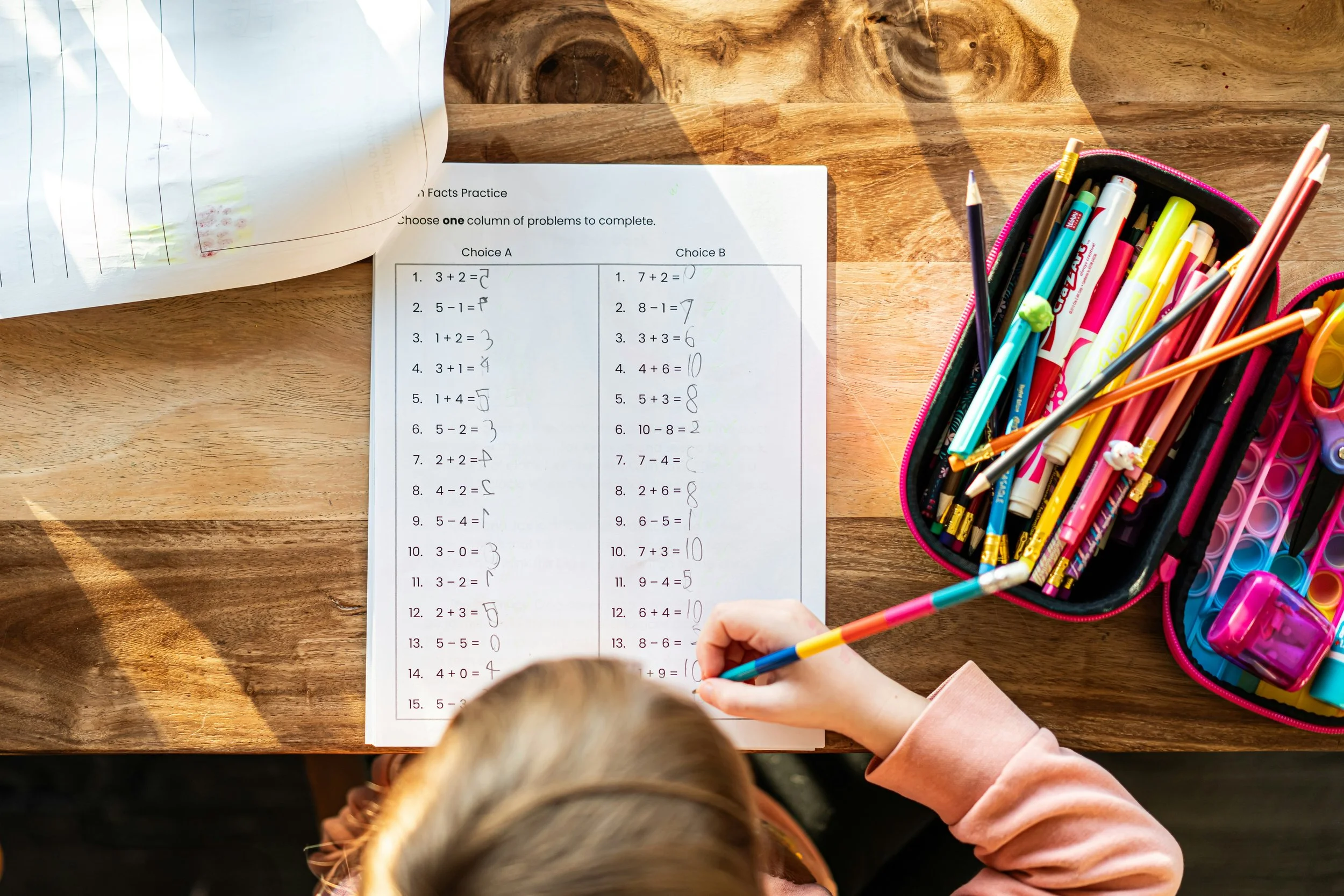
Kids bring home lots of worksheets and school assignments. You don’t have to keep all of them, but you need a plan for how to handle them and what you want to save. (Photo by Nils Huenerfuerst, Unsplash)
The goal is never to save everything. It’s to identify which items matter most and then have an easy, simple system for keeping those pieces.
Let go of the pressure to keep all the artwork or schoolwork
Little kids, and sometimes big kids, too, can generate a lot of school papers and art projects quickly. Even in the digital age, we know that many kids learn best when things are tangible, and they enjoy paper.
Some pieces are truly special. For other pieces, what matters most is appreciating them in the moment. Children get so excited to show you what they have made or accomplished!
Those moments still matter, and they don’t disappear when you recycle a worksheet or coloring sheet.
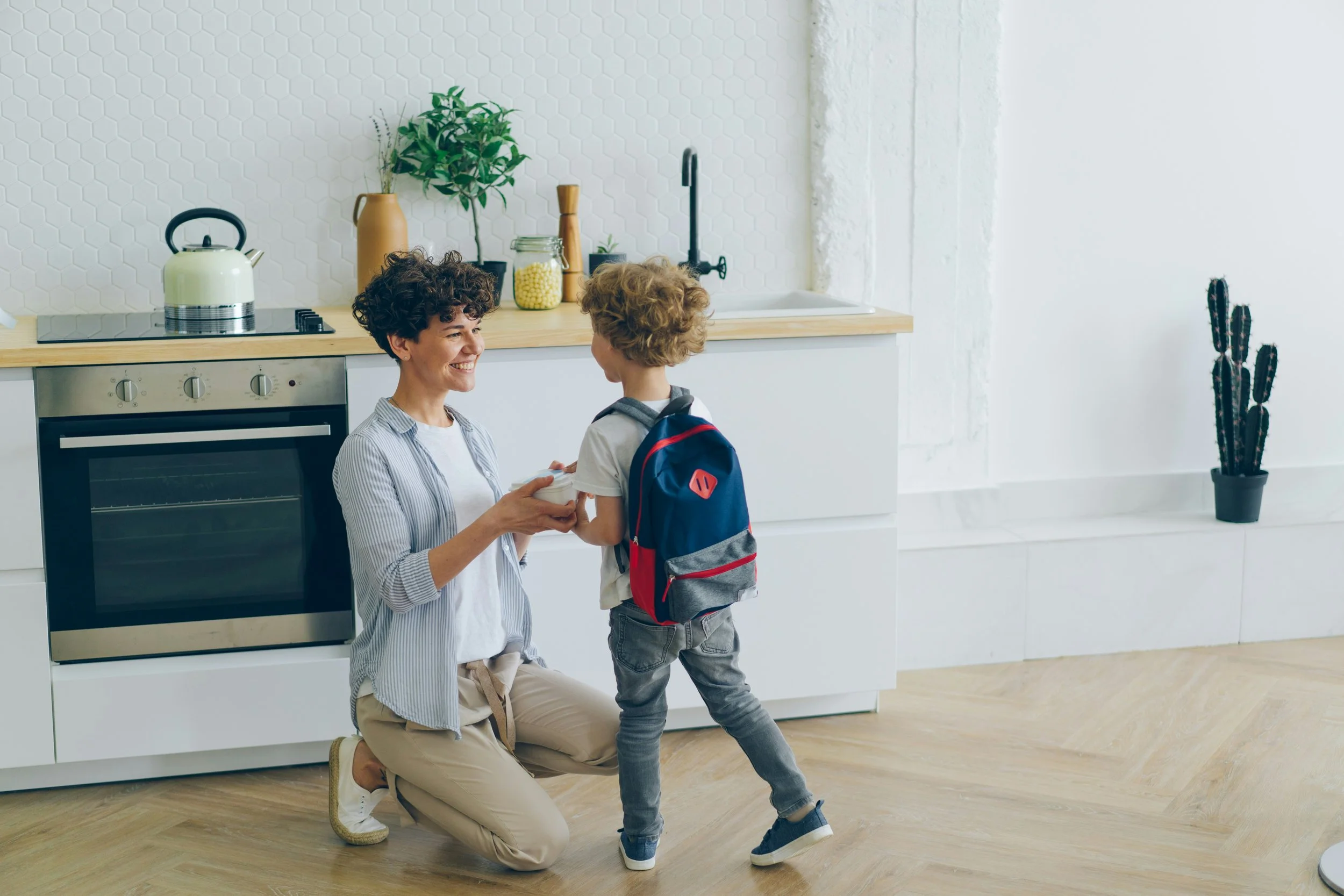
Sometimes simply appreciating what our kids have made means more than keeping everything. (Photo by Vitaly Gariev, Unsplash)
You can celebrate your child’s work, appreciate their effort, and help them feel proud without keeping every piece of paper in your home forever. That makes the pieces you do save feel even more meaningful.
First, choose one simple place to collect everything
When kids bring papers home from school, we first need a place to put them all. Just like you have a spot where you always put the mail before you sort it all, you need a place to put what comes home from school.
Don’t worry, you’re not making any final decisions yet.
For this part, you can use a simple box or bin for each child and each school year. As papers come home, you can place everything here.
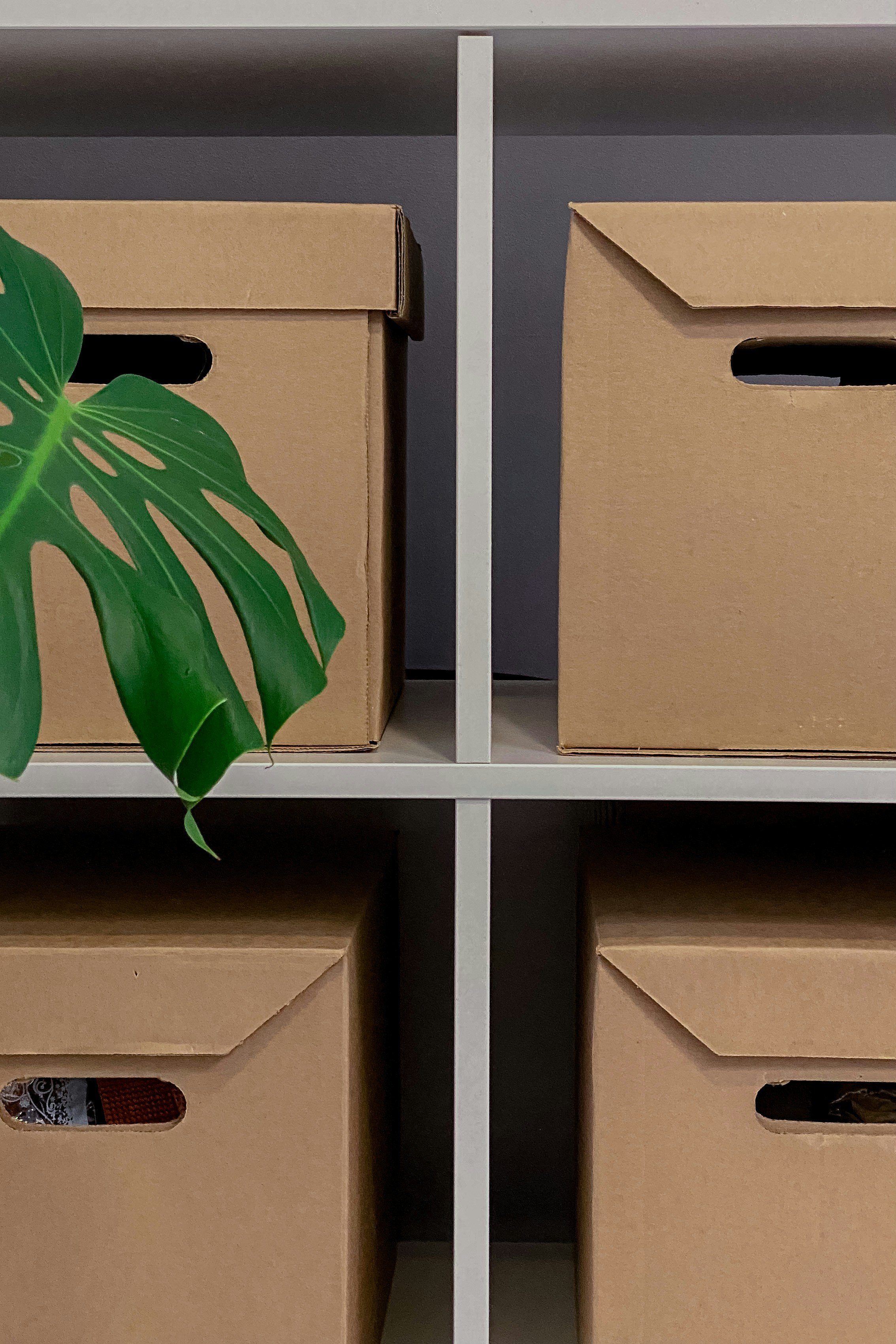
Simple cardboard file boxes can store items long term or can serve as temporary storage until you can go through and decide what to save an what to toss. (Photo by Valeriia Svitlini, Unsplash)
If there is routine work or pieces you know don’t need to be saved, you can recycle those or toss them. The most promising items should definitely go in the box to revisit later.
This gives you a place to contain the paper clutter without feeling like you have to make an immediate decision every time something enters the house.
And sometimes, time makes it easier to decide what to keep and what to let go of.
A piece might feel significant in April but might feel easier to let go of in September. Re-evaluating things after a little time has passed can help you decide what is truly worth keeping.
Revisit the collection and choose just a few favorites
When the school year winds down, go through the box and choose a few items to save.
You might keep:
a unique piece of artwork
an essay or page from a writing journal
work that shows growth or progress
something connected to a happy memory
a project your child loves or feels proud of
It wouldn’t make sense to save ten versions of the same kind of assignment. It’s nice to keep a few meaningful pieces that tell the story of the school year.
For older kids, they can help decide what to keep. They can let you know what feels important to them, and it gives them a chance to practice building skills around organizing, choosing, and letting go.
Choose a repeatable system that works for your home
Once you’ve narrowed things down, think about how you want to store what you keep.
There isn’t one perfect system. The best one is the one that’s easiest for you to use.
Here are a few simple options:
File boxes or bins
A file box with a folder for each school year is an easy option. This works well for report cards, certificates, writings, and some smaller artwork.
Large keepsake boxes
If you prefer something more flexible, you can use a keepsake box for each child to hold school mementos.
Scrapbooks
If you enjoy hands-on projects, you could create a scrapbook for each year with favorite artwork, photos, and schoolwork. You can create scrapbooks with your child. It’s a nice way to teach them how to make scrapbooks, and you get to spend meaningful time together offline.
Digitize what you want to remember but don’t want to store
Photos and scanning allow us to keep special items without them taking up physical space.
You can take photos of artwork, projects, or school papers to preserve the memory without keeping every original. Each child could have their own digital album. They can even be turned into photobooks or personalized yearbooks!
You could also use your child’s art in everyday ways that let you enjoy it now. A favorite drawing could become your phone background, a screen saver, or part of a digital photo rotation at home.
If digitizing feels like a good fit for your family, you may also enjoy reading our post on digitizing keepsakes and paper clutter.
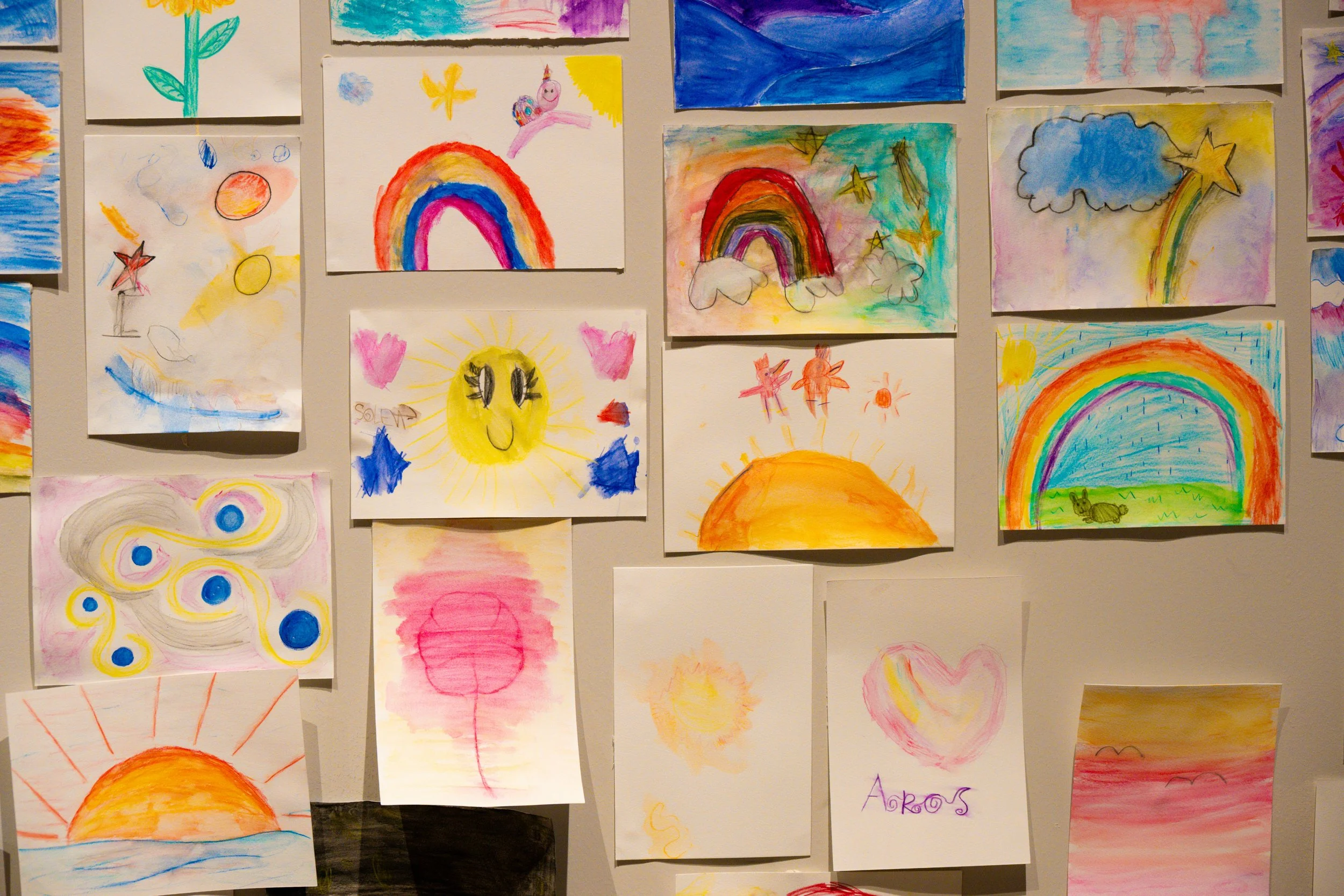
You could choose a wall to serve as an art gallery. Then rotate newer pieces in and older works out over time. (Photo by Julia Taubitz, Unsplash)
Find fun ways to enjoy artwork in the moment
Part of organizing kids’ artwork is creating a way to appreciate it while it’s still fresh and exciting.
You might set up a simple display area in your home to feature new art and rotate them out as new art is created. Think of it as curating your own family art gallery!
A few ideas:
Hang a rotating art display on a wall or bulletin board
Use large thrifted frames to showcase current favorites
Clip artwork to a wire, ribbon, or display board
Use a longer wall in a hallway
You could even host a little art show for neighbors, family, or friends. You kids will love it, and others can enjoy the work before some of it is recycled.
Repurpose artwork as something new
Give artwork a second purpose by turning your child’s artwork into cards for family members, gift tags, or small gifts for grandparents, aunts, uncles, or close friends. Someone who loves your child will likely be thrilled to receive one of their original creations.
This is a lovely way to honor the work, share the joy, and reduce what you keep in your home.
Remember that sentimental storage can change over time
When something is new, it often feels more important to keep. That’s completely normal.
But with a little time and distance, your feelings about certain items may change. That’s why it’s so helpful to revisit sentimental things every once in a while. After a bit of time, you may be ready to let go of more than you expected.
You get to keep your memories of an item or event while also being thoughtful about what you keep in your space.
If this is something you struggle with, our post on sentimental clutter may be helpful, too.
A gentle reminder: This is true for organizing almost anything sentimental in your home. When an item is new, it can feel important. Over time, your feelings may soften, and it becomes easier to decide what really matters. Re-evaluating sentimental items regularly can help you keep what really matters without holding onto more than you need.
Choose a system you can return to each year
Organizing kids’ schoolwork and artwork shouldn’t be complicated. It should be intentional.
A simple yearly routine can prevent clutter from building up:
Collect papers in one place
Revisit them at regular times of the year
Save a small number of favorites
Recycle or repurpose the rest
Store what you keep in a consistent way
That’s it.
A system doesn’t need to be perfect, but it should work for your life, your space, and your family.
If you already have a home learning or homework area, it may help to think about how paper flows through that space, too. Our post on creating organized school spaces at home may give you a few ideas.
The big picture about schoolwork and artwork
Your child’s schoolwork and artwork tell the story of a time in their life. You can honor that without keeping everything.
With a simple plan, you can hold onto the memories that matter most without letting paper clutter build into mountains.
It’s all about finding that balance.
If you’d like help discovering what system would work best for your home, reach out to me. I can give you options to fit your family and your space.
Xoxo,
Michelle

Michelle Parravani, Atlanta professional home organizer