
What to Do With Unwanted Gifts (So They Don’t End Up In A Landfill Or Live In Your Closets Forever)
Now that the holidays are over, you might be wondering what to do with any gifts you received that you don’t really want or know you won’t use.
If you’re feeling awkward or guilty about it, you’re not alone. As a professional organizer working in homes all over the Atlanta area, I hear this concern often.
Someone you care about gave you a gift, and although you don’t love it, you want to hang onto the gift. As the months go by, it sits in a closet, taking up space. You feel guilty about not appreciating it, and you feel like giving it away would be wrong.
I’m here to tell you that you absolutely have permission to give away anything you don’t love or won’t use, even if it was a gift.

Have you ever left an unwanted gift in the gift bag and put it in a closet, where it sits and sits? It’s a common scenario when we don’t know what to do with unwanted gifts. (Photo by Freestocks, Unsplash)
If letting go feels especially hard, micro-decluttering, where you start with something smaller and easier, could help.
Letting go of an unwanted gift doesn’t mean you’re ungrateful. It simply means you’re choosing to care for your space more intentionally, and you’re letting that gift go to someone who will appreciate or use it. The good news is there are plenty of thoughtful, eco-friendly ways to re-home unwanted gifts so they don’t end up in a landfill.
Here are some practical options to consider.
Ask About Returning or Exchanging the Gift
If the gift came with a receipt or gift receipt, returning or exchanging it is often the easiest option. Lots of retail stores offer extended holiday return windows, often throughout January.
If there’s no receipt, some stores will still offer store credit. That way, you can choose something you’ll actually use. Or you can save the store credit for a later time, then it will be available when you need it.

If you have a gift receipt, you could return a gift to the store where it was purchased. Sometimes stores will give you credit if you don’t have a receipt. (Photo by Michael Walter, Unsplash)
Donate to Local Charities and Community Groups
Donating unwanted gifts is a great way to support your local community, especially when items are new or gently used.
In any city or town, you’ll find groups that welcome donations. Here are some types of organizations to consider:
Shelters and transitional housing programs
Food banks and community pantries (for unopened items)
Schools, libraries, and after-school programs
Local nonprofits serving families, seniors, or unhoused neighbors
With rising costs for food and basics, plus rising unemployment, many neighborhoods coordinate donations for locals in need. You might find neighbors who could benefit from your unwanted gifts.
Before donating, it’s always a good idea to check what a group currently needs so your donation is truly helpful. Many organizations list needs on their websites.
Re-Gift Thoughtfully
Re-gifting gets a bad reputation, but it can be done with care. That’s when it’s a smart and sustainable choice.
The key is intention. Only re-gift items you know someone else would genuinely enjoy and use. This works especially well for items such as books, candles, and home goods.
If it feels awkward, remember that the goal is to match items with people who will appreciate them, so you’re not keeping things because you feel obligated.
For example, if you receive a purple scarf that you wouldn’t actually wear, but you know your friend Kelly would love it. Plus, she looks amazing in purple, so it makes sense to give it to your friend. That’s when it makes sense to re-gift. You’re still giving a gift you think is perfect for a friend or relative.

Whether you donate or re-gift items you don’t want, someone else can benefit. (Photo by Samuel Regan Asante, Unsplash)
Sell or Trade Items You Won’t Use
If you received something new or lightly used with resale value, selling it can be a practical option.
You might try:
Local apps for buying and selling items, or neighborhood groups
Online marketplaces
Consignment shops for higher-value items like clothing, accessories, or electronics
Selling or trading items prevents them from sitting in a closet or garage where they aren’t used.
Repurpose or Upcycle When Possible
Some gifts might not work for you as they are, but they can still be useful in another form.
For example:
Crafting or art supplies can be donated to schools or community centers
Containers, jars, or baskets can be reused for storage
If you’re good with sewing, you could repurpose garments that aren’t quite your style. (Think of Andie in Pretty in Pink when she takes elements of two dresses and makes them into her own unique prom dress.)
This approach works best for items that are functional but not quite right for your needs.
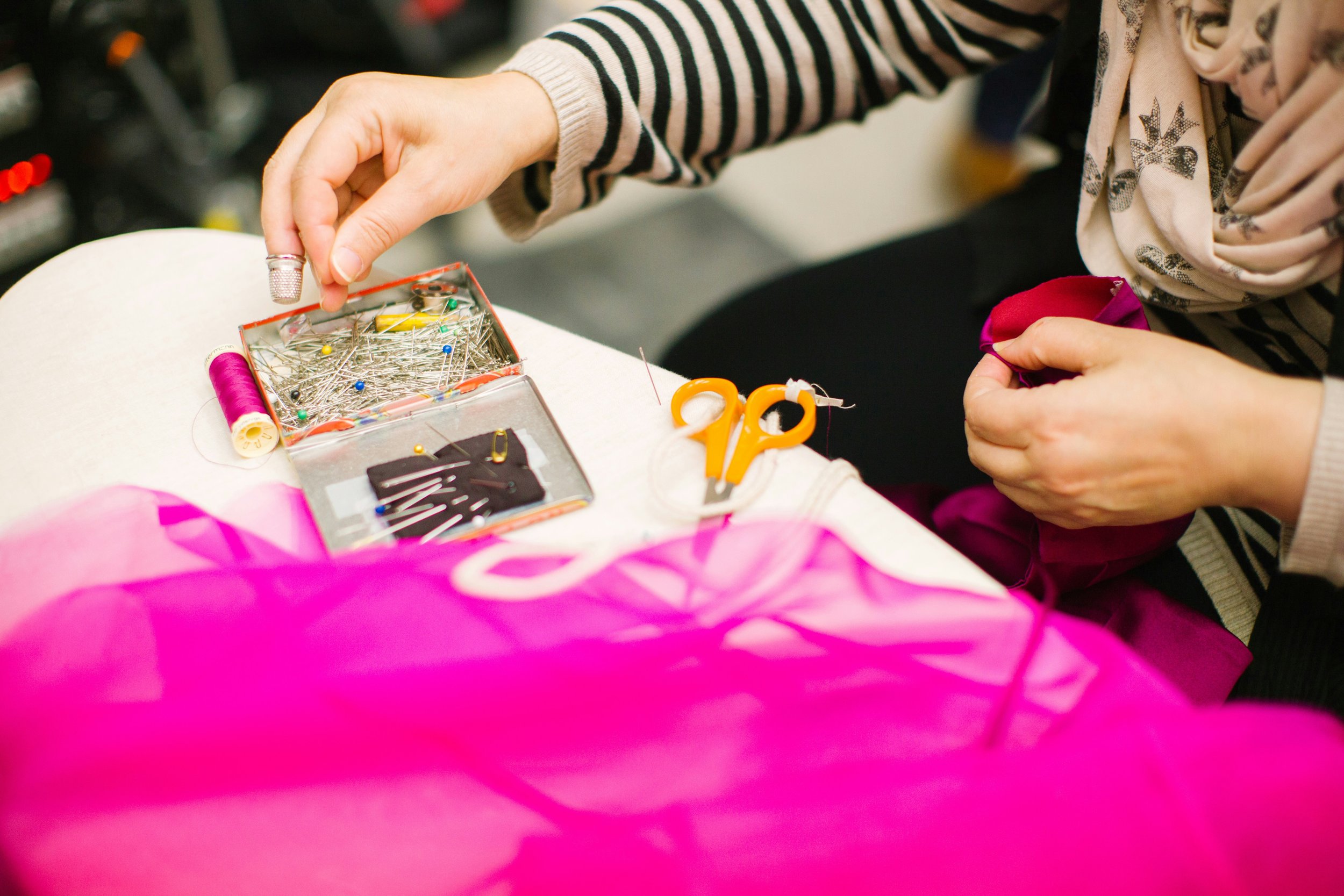
Unwanted gifts could be an opportunity to use your creativity to repurpose them in a way that works for you. (Photo by Kris Atomic, Unsplash)
Share With Family and Friends First
Sometimes the easiest solution is also the most personal. Before donating or discarding an item, consider asking close friends or family members if they’d like it.
You could even coordinate small exchange get-togethers. You can reduce waste and strengthen connections at the same time. This is especially easy to do for things like books, games, or things you’d use around a home.
How to Reduce Unwanted Gifts in the Future
While you can’t control every gift you receive, a little communication can go a long way.
Here are a few gentle ways to minimize unwanted gifts:
Share wish lists or preferences when asked
Suggest gift receipts
Ask for experiences instead of physical items (classes, tickets, memberships)
Normalize fewer, more thoughtful gifts within your family or friend group
Over time, these small shifts can make holidays feel lighter and more intentional. Sometimes the way we give gifts to others speaks volumes, too. Give the kinds of gifts you would like to receive as well, and your closest friends and family might get the hint.
Letting Go Is Part of Creating a Home That Works
Unwanted gifts often linger in homes far longer than they should. People often don’t hang onto things because people want them, but because they feel bad letting them go. This is true for so many things in our home, not just gifts we receive.
If you’re standing in your home, wondering what to do with something you never asked for and don’t love, remember this. Keeping it won’t make the gift more meaningful, but re-homing it thoughtfully can.
If you’d like help sorting through post-holiday clutter or deciding what to keep, donate, or let go of, let me know. I can help you create spaces you love, without the guilt or overwhelm.
Xoxo,
Michelle
