
The Dark Side of Thrifting: Your clothing donations don’t always end up where you think they will
It can be an amazing feeling to declutter your wardrobe and end up with bags of clothes you have finally decided to give away. It can be an even better feeling to donate clothes to a thrift store.
It’s a good feeling because you assume your clothes will end up being sold to someone else who could use great pieces at a discounted price. Plus, thrifting is supposed to be more sustainable than throwing clothes away.
But there is a dark side to thrifting.
Your old clothes often don’t end up getting sold to people in your community who could use affordable new pieces for their wardrobes.
In this post, we’ll look at what actually happens to some clothing donations and what you can do to be sure your clothes don’t end up doing more harm than good.
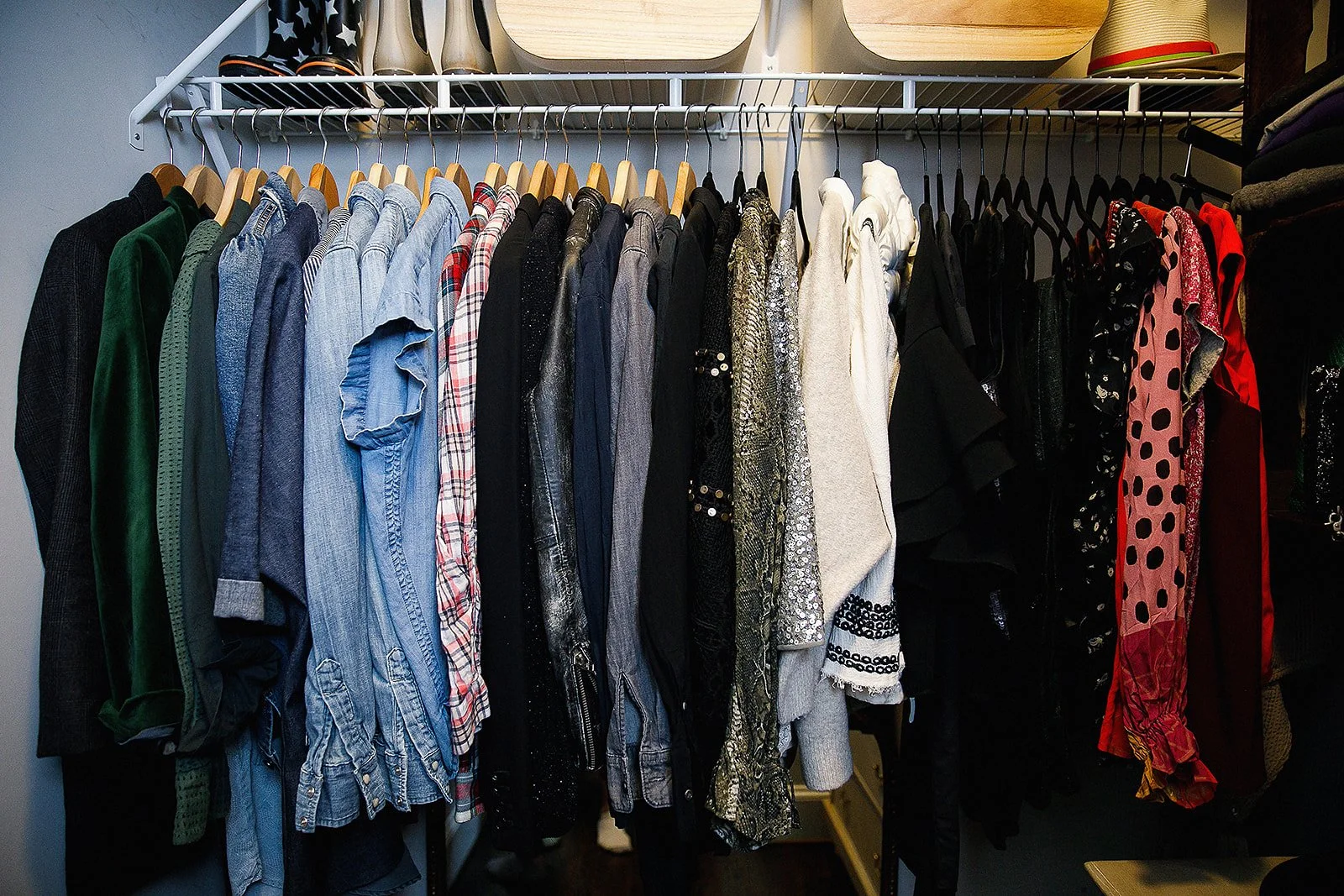
Cleaning out your closets and want to donate to thrift stores? Be sure you know what happens to the clothes you give away.
What Really Happens to Some Donations
Imagine you have a big bag of clothes you’d like to donate. What is the first place that comes to mind?
Regardless of the city you live in, one of the easiest places to make donations is often Goodwill.
While every location operates a bit differently, they all have one thing in common. They receive a lot of donations.
Yes, they sell used clothing at a huge discount, which can help people in your area save money.
But what happens to items that don’t sell in the thrift store?
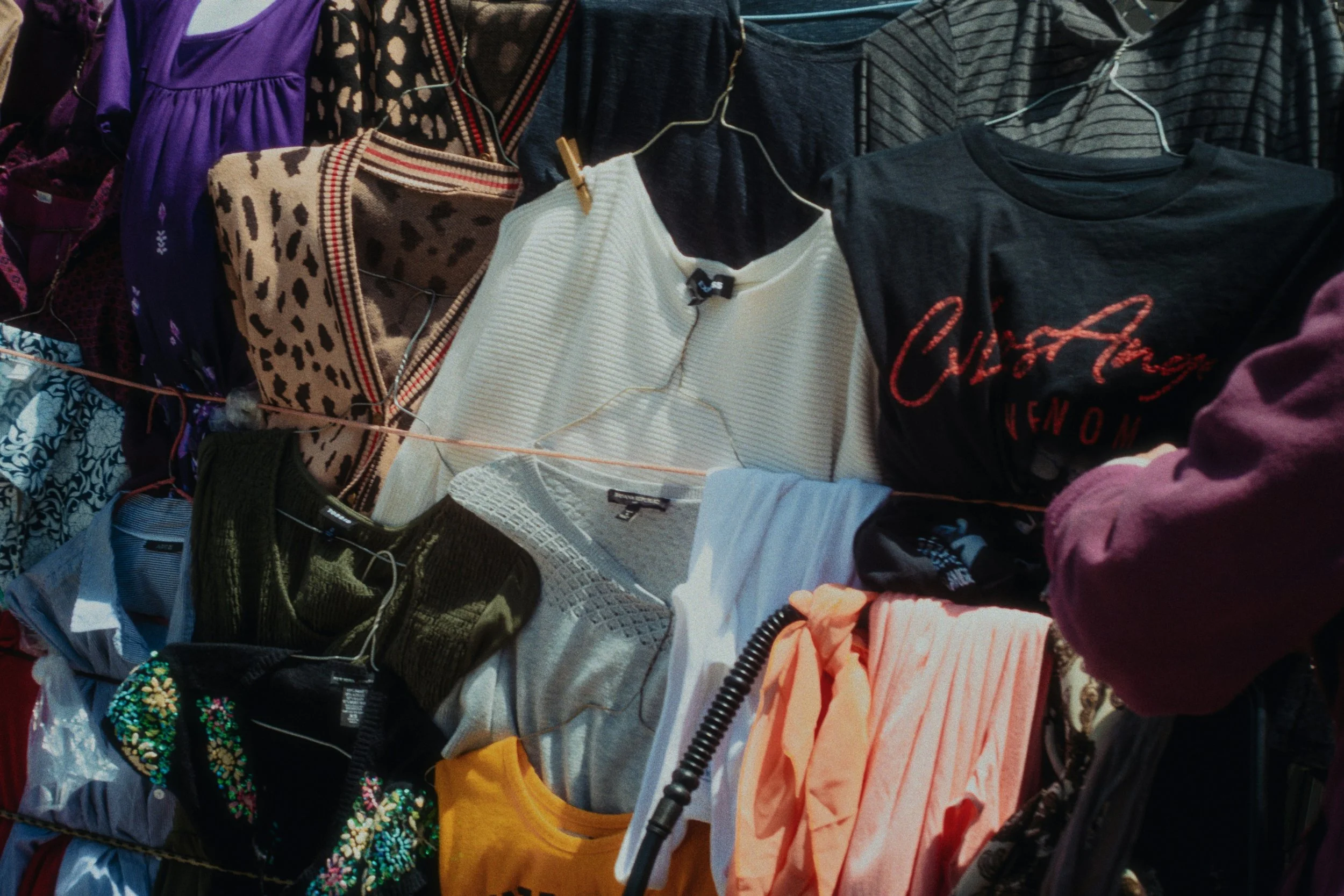
Large thrift stores try to keep their clothing racks fresh and can’t keep up with all the items donated to them. (Photo by Jason Leung, Unsplash)
A store can’t have the same clothes hanging on racks forever. If garments don’t get sold after a while, some stores then sell stock to global textile exporters. If that doesn’t happen, clothing ends up going to the landfill.
The Environmental Protection Agency (EPA) says that while the amount of textiles produced has risen over the years, so has the amount of textiles sent to landfills. One report shows more than 11 million tons of textiles (which includes clothing and shoes) ended up in landfills in 2018 alone.
The other important factor that contributes to so many clothes going into landfills is that we’re manufacturing more clothes than ever before. The same EPA report shows that as the amount of textiles generated grows, so does the amount that ends up as waste in landfills.
That’s fast fashion + overconsumption. It’s become so easy to buy clothes, especially if we think we’re getting a good deal.
But let’s get back to that Goodwill scenario and pretend that your old clothes go out on a rack but don’t get bought by anyone. Then the thrift store shrinkwraps them and sells them to a global textile exporter.
It might sound good for clothing to get a second life overseas, and people in some regions do depend on secondhand clothing because it’s affordable. It’s also true that the textiles the exporters sell at markets can undercut the prices of local sellers, which damages their local economy.
Even worse, some clothing goes all the way to other continents only to end up in heaps or landfills. Depending on the materials used in clothing, the chemicals that run off these clothing piles can be hazardous to the environment and the health of locals living nearby.
What can we do with our old clothes if we want to avoid them causing harm in their second act? Let’s take a look at a few easy things you can do to make sure the clothing from your closet cleanout can be helpful to others.
Old clothes don’t always have to end up in a landfill. (Photo by Alejo Reinoso, Unsplash)
⭐ If your closets need a bit of extra attention, we have several ways you can clean out, update, and reorganize your wardrobe. 👚
6 Ways to Sustainably Get Rid of, or Repurpose, Old Clothes
Here are 6 ways to get old clothes you no longer wear out of your closet. These ideas include a mix of donating and repurposing.
1. Donate clothing to local thrift stores that benefit the community in other ways beyond selling clothing.
Before you donate to a thrift store or a clothing collection bin, find out how they use donations.
For example, Second Life Atlanta sells items in their thrift store and uses those funds to benefit animal rescue groups. What doesn’t sell in the store gets donated to other local charitable organizations or shelters.
Ask questions about what happens to donations. The people who work there will be happy to share what they know!
When you become more mindful about where you donate your clothing (or anything else, especially your time or money), you can be sure your donations align with your values.
2. Give away clothes to friends, family, or in Buy Nothing groups online.
Instead of giving clothing to thrift stores, you can give it away to friends or relatives.
For example, if you have pieces that your aunt has always complimented, and they would fit her, consider asking her if she would like them when you decide you’re no longer going to wear them.
Sometimes neighborhood groups or mom groups have clothing swap meetups. These are great ways to change your wardrobe from time to time. You can pass along gently worn garments to others and also receive a few pieces that are new to you.
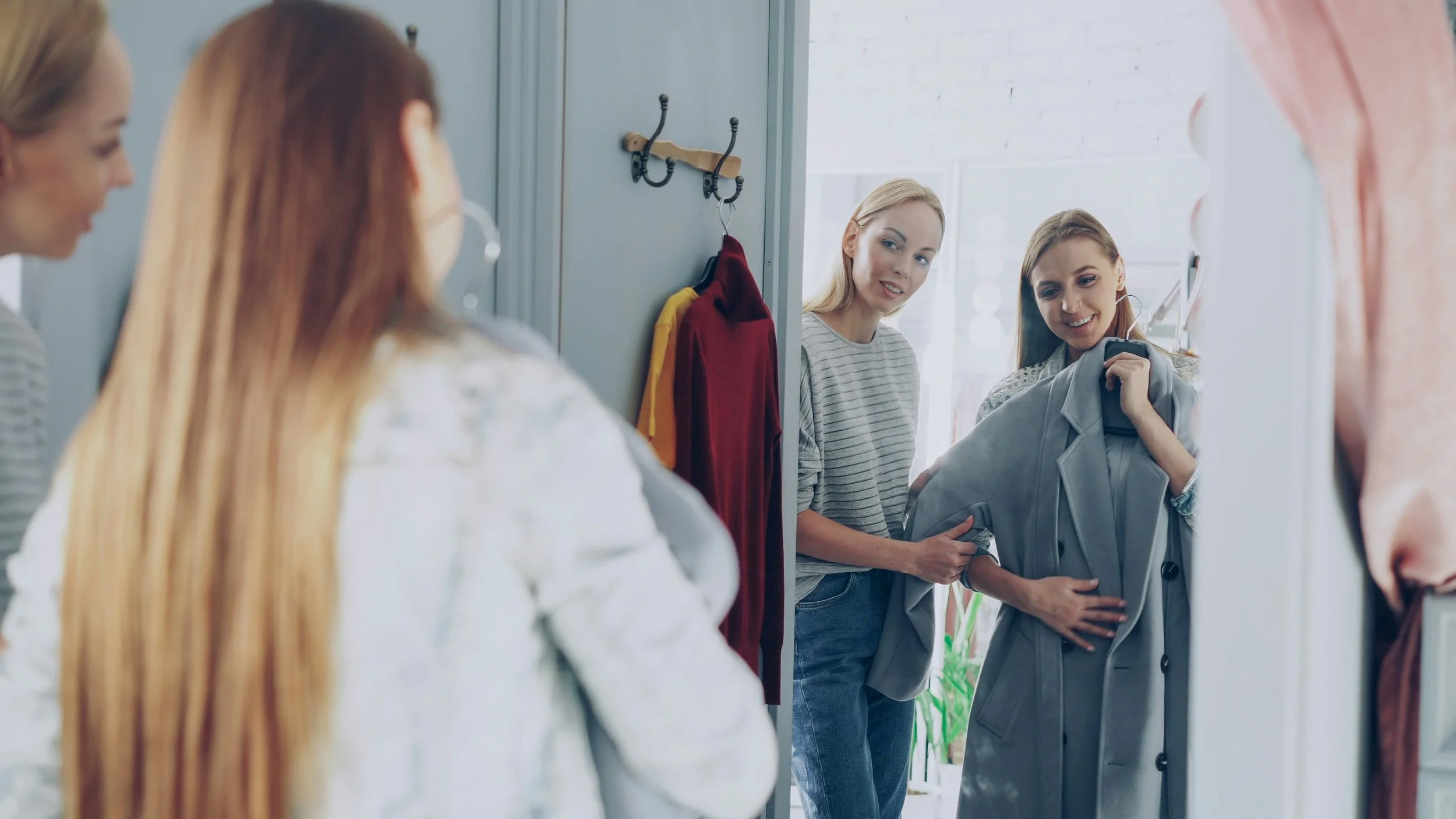
Swapping clothing or passing along garments to friends or relatives is a great way to make sure clothes stay out of landfills. (Photo by Vitaly Gariev, Unsplash)
If you don’t know anyone you could pass your clothing along to, you could post it in your local Buy Nothing group.
Both these options have great benefits. You strengthen your community by giving and sharing resources, and it doesn’t cost you or the other person any money at all.
3. Donate to a group that helps the unhoused in your area.
Nonprofits that assist the unhoused population typically take clothing donations. Be sure to look at their websites or call them for info about what they need at the moment. They often accept clothes in the current season, not for other seasons, because it can be difficult to store a lot of off-season items that won’t get distributed right away.
If you’re in the Atlanta area, the local chapter of the National Council of Negro Women (NCNW) sometimes collects clothing donations for unhoused patients that come through Grady Memorial Hospital.
Another great option in our area is the Atlanta Mission. They typically accept donations of new and gently used clothes for the current season for adults and teens.
You can look for clothing drives sponsored by nonprofits at schools, churches, and hospitals in your local area.
Donating to groups that are in your community, helping fulfill urgent needs, is a good way to make sure the clothes you’re giving away don’t just end up in a landfill.
4. Donate to an organization that is committed to sustainable recycling.
While large global textile exporters don’t guarantee whether secondhand clothing stays out of landfills, some businesses are making it their mission to put clothes to better uses.
Despite its name, Trashie, aims to keep clothing from becoming just more trash.
You can bag up clothes that you can’t normally take to a thrift store — socks, underwear, sports bras — and Trashie will recycle them.
Even single socks or single shoes that have lost their mates can go to Trashie!
5. Learn how to sew or repair clothing.
Decades ago, it was common for people to know how to repair small rips in clothing or patch holes.
Clothing repair is a great skill to learn, so that you can repurpose clothes rather than giving them away.
For example, you can piece old clothes together to create new garments.
Or you can use fabric to make other items, such as:
Purses
Tote bags
Pillows
Headbands
and more.
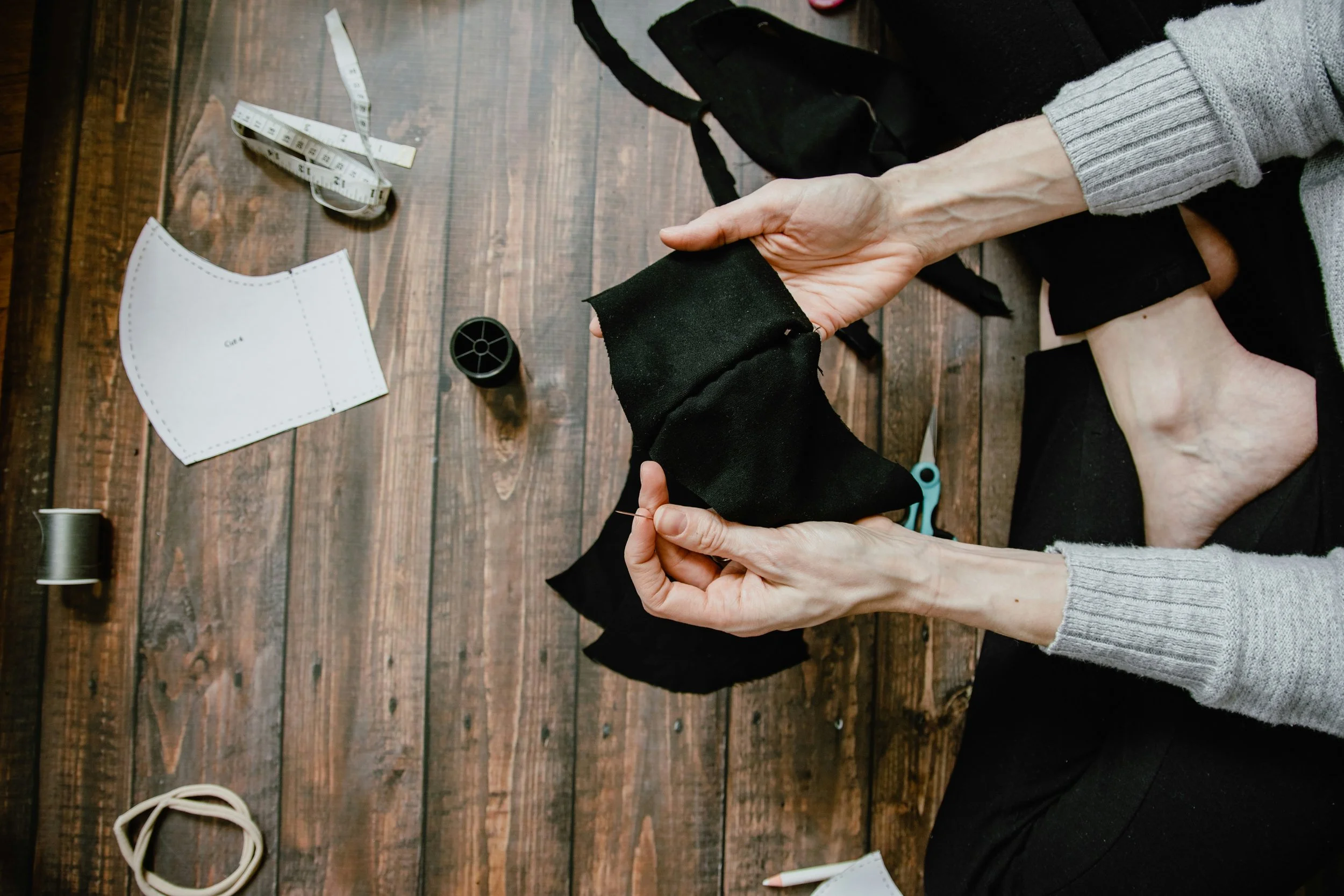
Your old clothes can be repaired or repurposed as something new! (Photo by Kelly Sikkema, Unsplash)
Sewing and repurposing your clothes is an amazing way to bring unique designs to your home, accessories, and wardrobe.
If you’re not up to sewing, you could use scrap cloth for cleaning and dusting. You could also repurpose clothing by cutting jeans into shorts or dyeing garments different colors. Remember that if you ever need to patch a hole or cover a stain that won’t come out, you can use fabric glue or hem tape to add embellishments to cover imperfections. Then you have a fun, more interesting piece of clothing!
6. Buy less fast fashion
Ultimately, the biggest reason so much clothing ends up in landfills is that our culture has embraced fast fashion.
Fast fashion makes it cheap and easy to buy more and more clothing than we could ever need. We think we’re getting a good deal, but the clothing is not made to last. So when something doesn’t hold up, we spend more money on new clothes.
Cheaper clothes that are made overseas typically are made of synthetic materials, so they’re worse for the environment.
Synthetic materials that don’t last as long:
Nylon
Acrylic
Spandex
Polyester
Better options to look for:
Organic cotton
Wool
Hemp
Linen
Breaking the cycle of consumption that fast fashion thrives on is one of the best ways to make sure fewer clothes go into landfills.
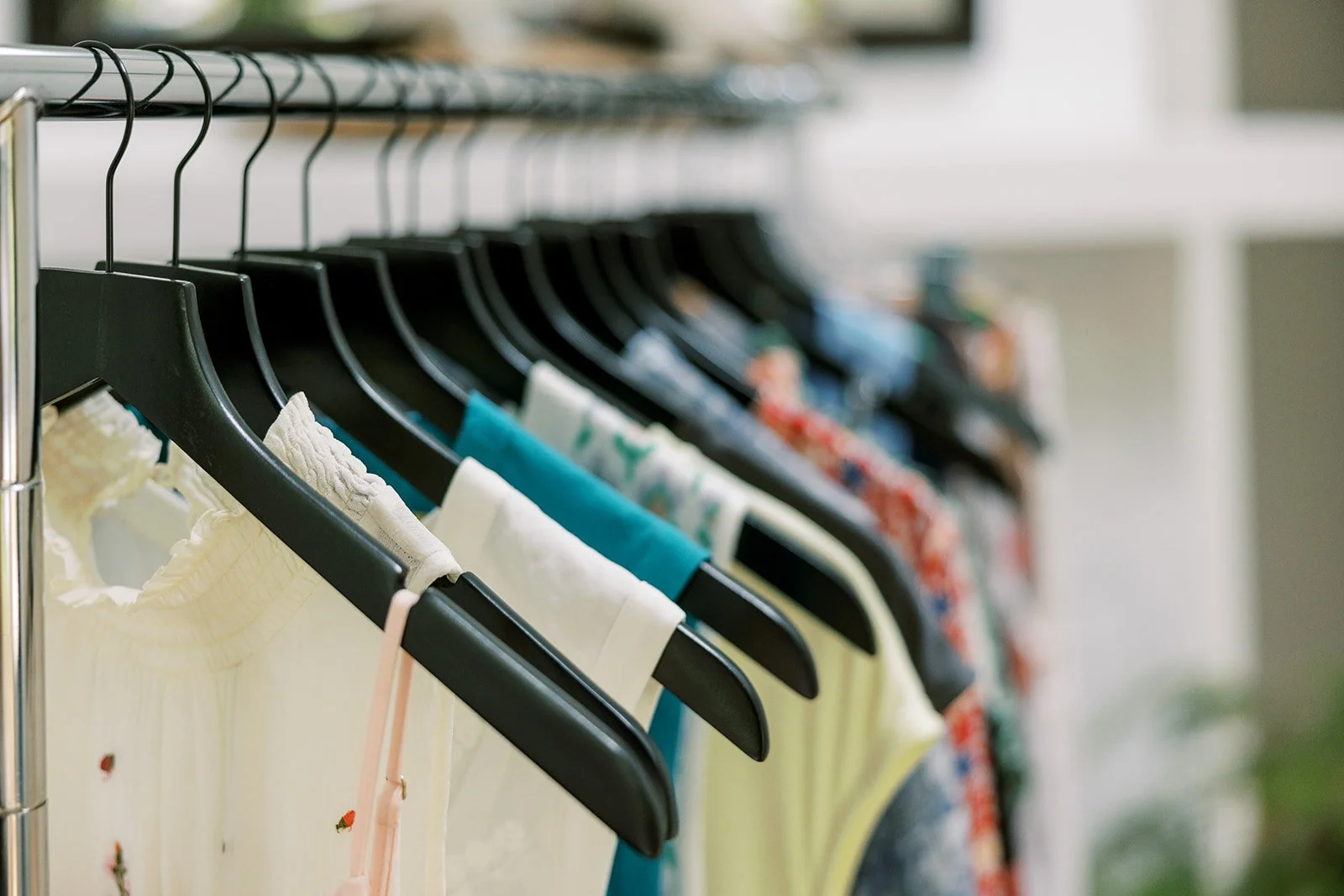
By resisting fast fashion, you can build a timeless, sustainable wardrobe.
Every time you shop at a thrift store, swap clothing with friends or neighbors, or repair clothing to wear again, you’re making a sustainable choice that is better for our planet.
Building a More Sustainable Wardrobe
Creating shopping and thrifting habits that are better for the environment is not only easy, it can be fun!
When you support local charities, you build stronger connections to your community.
When you repurpose your clothing, you’re making your wardrobe and home more unique.
When you shop at local thrift stores that also give back to your community, you’re supporting your own neighbors in need.
Reach out to me if you’d like help cleaning out your closets or decluttering your wardrobe. We can offer you even more tips to help you build a sustainable closet with high-quality pieces that will last you multiple seasons. Both you and the planet deserve the best!
Xoxo,
Michelle

Michelle Parravani, Atlanta professional organizer