
What Is the Idea of Selling Your Clutter Costing You?
Getting rid of our clutter can feel like throwing away money. Even after our stuff has outlived its usefulness for us, we want to get some monetary value out of it if we can.
It can be really appealing to think about making a bit of money by selling what we no longer need, especially when the cost of essentials like housing, groceries, and healthcare is high.
One person’s clutter is another person’s good deal! Right?
Maybe. Maybe not.
The truth is, selling your clutter isn’t easy, and it’s not free.
I see a lot of people who hold onto their stuff longer than they should, and planning to sell items is a big reason people struggle to declutter their homes.
In this post, I want to give you some things to consider if you’re thinking of selling the clutter from your home. If you do still decide to sell your unwanted stuff, I’ll give you some tips to make selling easier.
Selling your clutter can be a challenge. (Photo by Tmanna Rumee, Unsplash)
The problem with selling your stuff
You probably have closets or boxes full of things you’ve considered selling. You’ve set aside toys and clothes your children have outgrown, books you’re not going to read again, or kitchen tools you no longer use.
Sound familiar?
The problem is that selling anything takes time and energy — two things most people don’t have enough of these days. Besides the time and energy, there are some other costs to consider when it comes to selling your clutter.
1. Holding onto the clutter is holding you back.
While you wait to have the time or energy to list your stuff for sale, all your stuff is still there in your home, taking up valuable space. That extra clutter can be a constant reminder of something on your to-do list, and it can also cause anxiety.
2. Your time is money.
There are more steps to selling your clutter than donating it, and the process can take time.
To sell items, you need to:
Decide where to list your items.
Take photos of what you’re selling.
Research competitive pricing and determine how to price your items.
Create your listing.
Respond to inquiries or offers.
Confirm payment.
Arrange pickup or shipping.
Do you really want to have to go to UPS to ship something that’s only going to make you $10? If you sell items on eBay, for example, it’s going to cost you time to package them up, drive them to a UPS store, pay for shipping, and then drive back home.
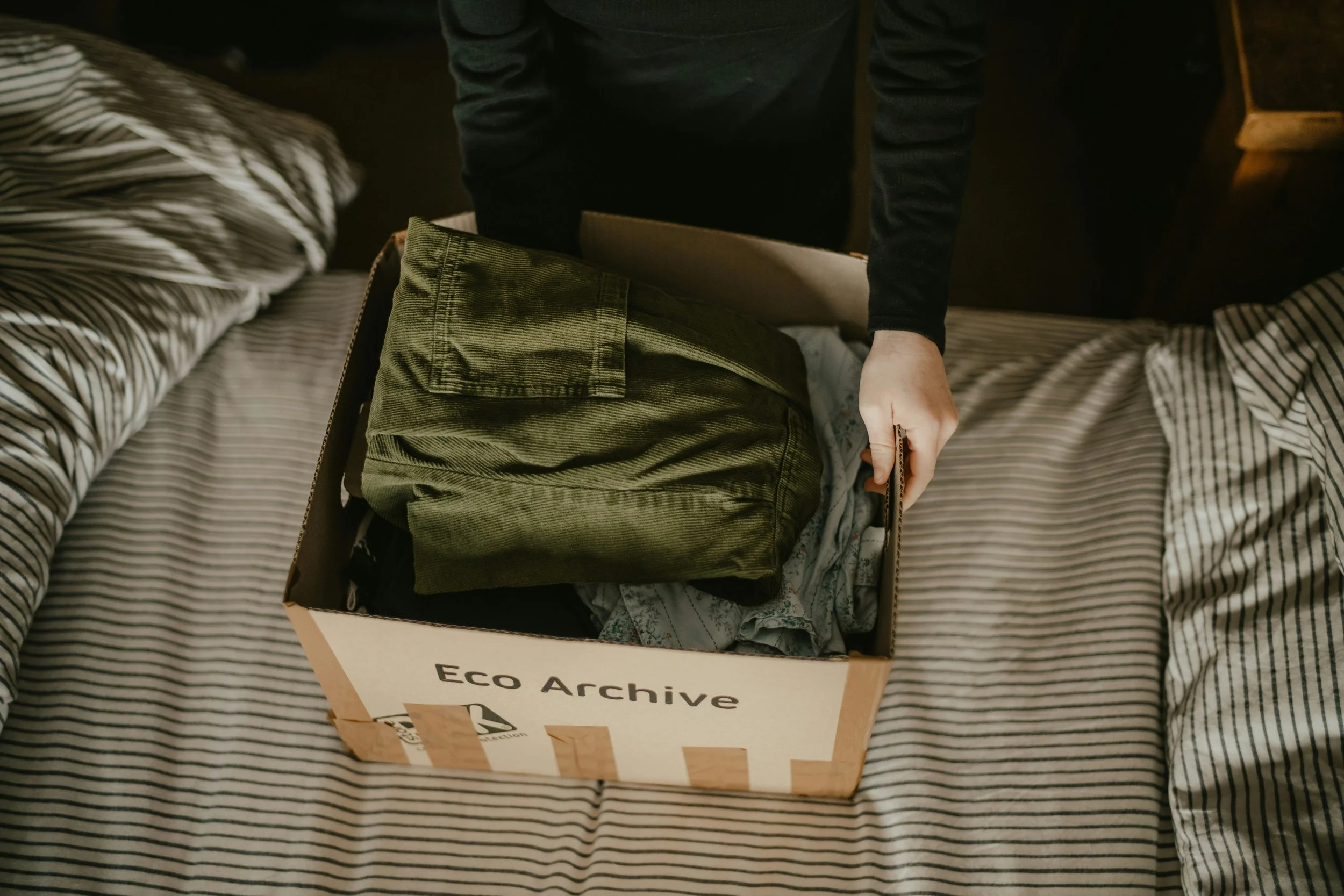
Shipping packages can take a lot of time and cost extra money. (Photo by Annie Spratt, Unsplash)
What are you missing out on while you’re taking time to sell your clutter? You might be missing out on time with your family or time you would normally spend on exercise or hobbies.
3. Selling shifts your focus from decluttering.
When you focus on selling your unwanted stuff, it takes your attention away from decluttering and shifts it onto selling. Your energy isn’t going towards getting unwanted items out of your home. Instead, your energy is on selling. Because selling takes longer than donating, you lose momentum to clear away excess stuff. Now you’re holding onto items to sell rather than getting them out of your home as quickly as possible and using the momentum and excitement of decluttering.
4. You miss out on the benefits of donating.
There are a lot of benefits to donating your unwanted clothing, furniture, home goods, kids’ toys, and more. You can feel pleasure or pride in knowing you’re able to help others in your community when you make donations. Not everyone is in the lucky position of having extra things in their home that they can donate. Maybe we can help someone else now with our donations, and that good karma comes back to us later, if we ever need help.
Even listing something on a local Facebook buy nothing group can be rewarding. You can help an individual or family in your area, plus you can usually arrange a porch pickup. It’s priceless to have someone come and pick up what you no longer need. You don’t have to drive it anywhere to donate. You connect with someone who needs what you have to give away, and they just pick it up.
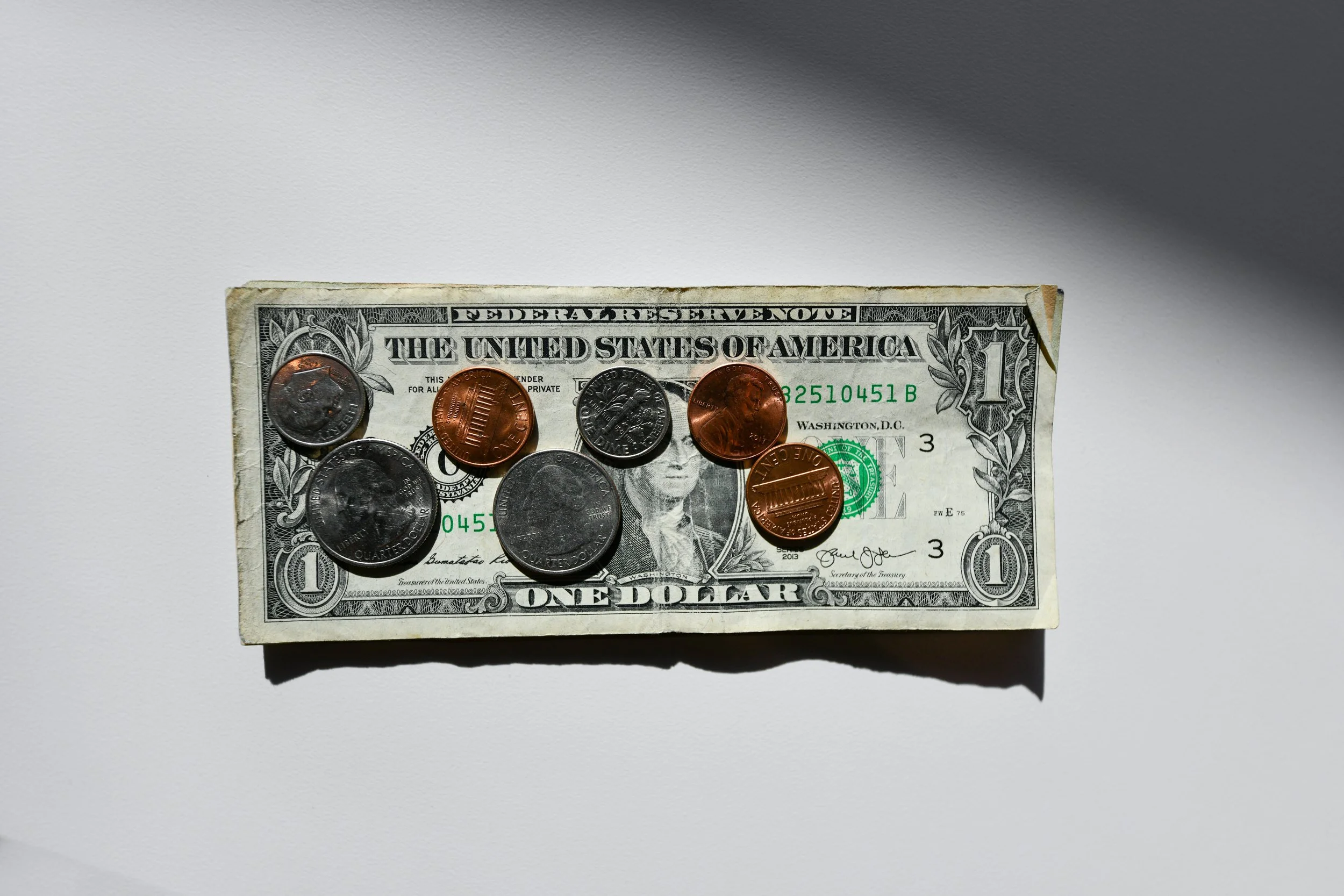
You might not be able to earn as much money as you’d like from selling your clutter. (Photo by Kenny Eliason, Unsplash)
5. You’ll never make your money back.
Selling an item to make back the money you spent on it is pointless. Money you already spent is gone, and most of what people sell will only earn a small fraction of what it originally cost. The simple fact is that most of what we buy loses value over time.
Unless what you’re selling is antique, collectible, or rare, it would be unrealistic to expect to make a profit on it. Most people are looking for a bargain and won’t care how much you originally spent or whether what you’re selling has sentimental value.
These are just a few of the larger challenges with selling your stuff.
If you’ve reviewed this list, considered your situation, what you want to sell, the time you have available, and have decided you want to try selling your clutter, I have some tips to take some of the stress out of selling.
3 ways to make selling clutter easier
Now that we’ve looked at some of the challenges of selling your stuff, we can look at shortcuts to make the process faster and easier. If you’re on my website or reading my newsletter, your primary goal is probably decluttering your home, not making $1 million by selling your old stuff.
Here are three tips to make selling your stuff easier, quicker, and less daunting.
1. Sell locally.
There are tons of places you can sell your stuff, but selling locally saves you from having to pay for shipping and worry about going to the post office or UPS.
Look for neighborhood yard sale days where you can participate. With this option, you often get to keep all of the money from sales.
Charities, churches, and other civic organizations sometimes organize larger thrift store or flea market-style events where you could sell items. These are great options because the event organizers promote them and bring in shoppers. You get a portion of sales from your items. Some of these will also handle donating any unsold items after the event, so you don’t have to worry about taking back any of your clutter. It’s already out of your home and taken care of for you.
You could also look for local consignment shops that take individual items to sell. These are different from flea markets that require sellers to purchase booth space they can fill with stock to sell. Consignment stores will take your items and give you a portion of the sales. They often will also donate anything that doesn’t sell within a certain amount of time, usually a few months.
If you’re in Atlanta, you can check out Queenie’s Consignment to sell high-fashion clothing or furniture.

Selling in local markets online can save you time and money because you don’t need to ship your items after they’re sold. You can arrange local pickup.
2. Use online local markets for selling.
List your items for sale on local markets online. Instead of selling clutter on eBay or Poshmark, use Facebook Marketplace or NextDoor.
Your neighborhood, town, or city might have other unique groups where selling items is allowed.
The advantages of these local online markets are that you’re selling to someone you can meet quickly, in your area. You can choose a safe place you know to meet. It’s also easier to vet potential buyers if you have connections or friends in common.
You don’t have to worry about shipping costs or packaging everything perfectly if you sell to someone in your area.
3. Set a time limit for selling your items.
If you choose to sell your clutter online, give yourself a deadline. Don’t let listings sit there forever. That means the stuff is still sitting inside your home, waiting to be sold.
Set a realistic deadline of 2-3 weeks. If your items sell within that time, that’s great!
If they don’t sell, go ahead and donate them to a local charity. You can feel good knowing that you attempted to sell the items. You can also feel good knowing you ended up donating the items, so they could help someone else who needs them.
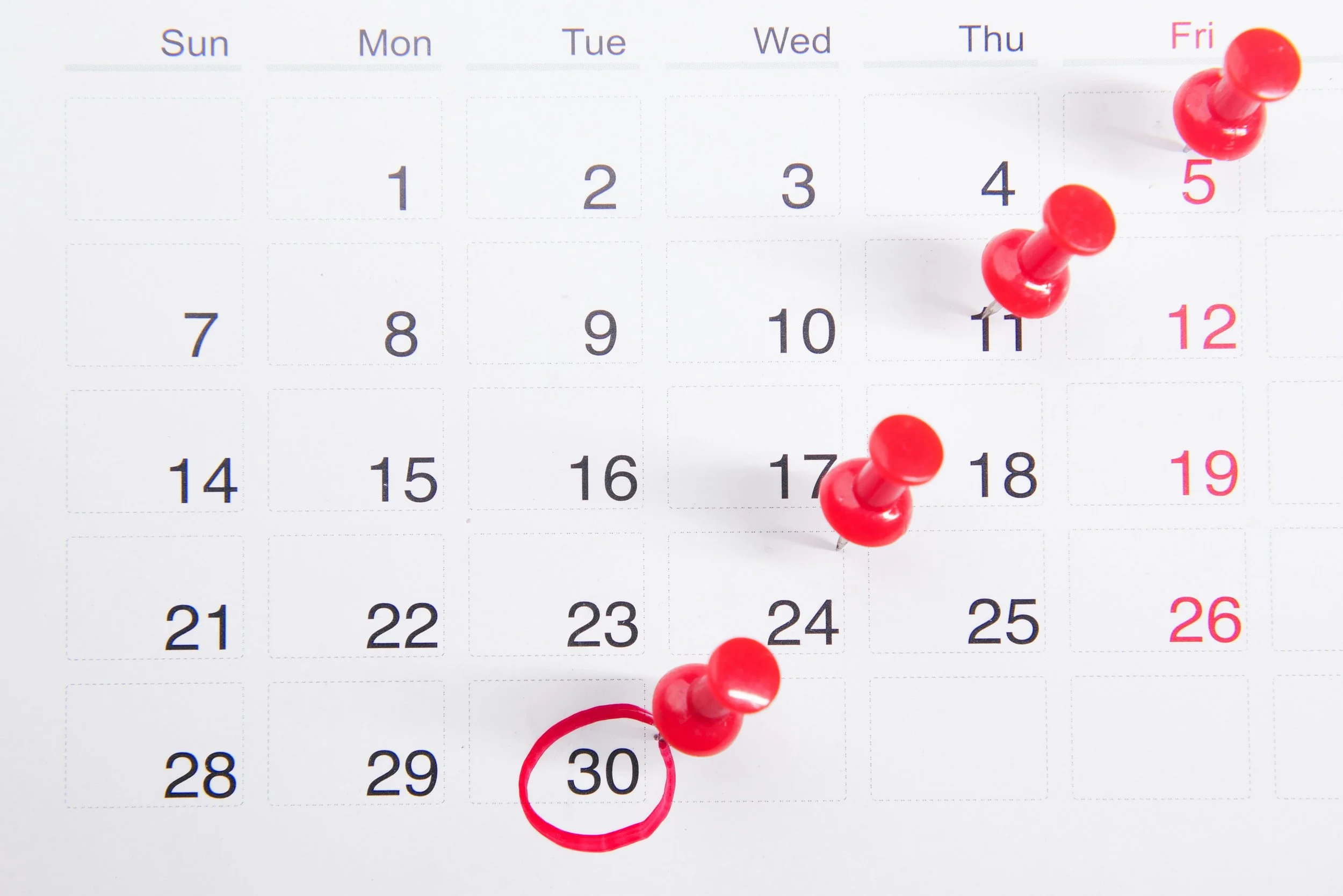
Setting a deadline can help you decide to donate if your items don’t sell quickly. (Photo by Towfique Barbhuiya, Unsplash)
Clearing out the clutter is the goal, whether you sell or donate
Whether you decide to sell your clutter or donate it, getting it out of your home is the goal.
What you want to avoid is planning to sell items and holding onto your old stuff for weeks or months after you’ve decided you need to get rid of it.
Reach out to me if you need help decluttering your home, and I can also give you some guidance about how to get rid of what you no longer use.
Xoxo,
Michelle
