Can Minimalism Go Too Far? How to Simplify Your Home Without Losing Personality
I’m a big fan of minimalism.
Having fewer belongings can make a home feel calmer, lighter, and easier to maintain. It can also make everyday decisions easier because you aren’t sorting through so many things all the time.
I've seen spaces go from full of stuff and messy to simple, functional, and beautiful.
But it is possible for minimalism to go too far.
If you've ever walked into a space that felt cold and stark, with no personality, there’s a chance someone has taken minimalism to the extreme.
In this post, I want to share what happens when a home is too minimalist and how you can avoid it.
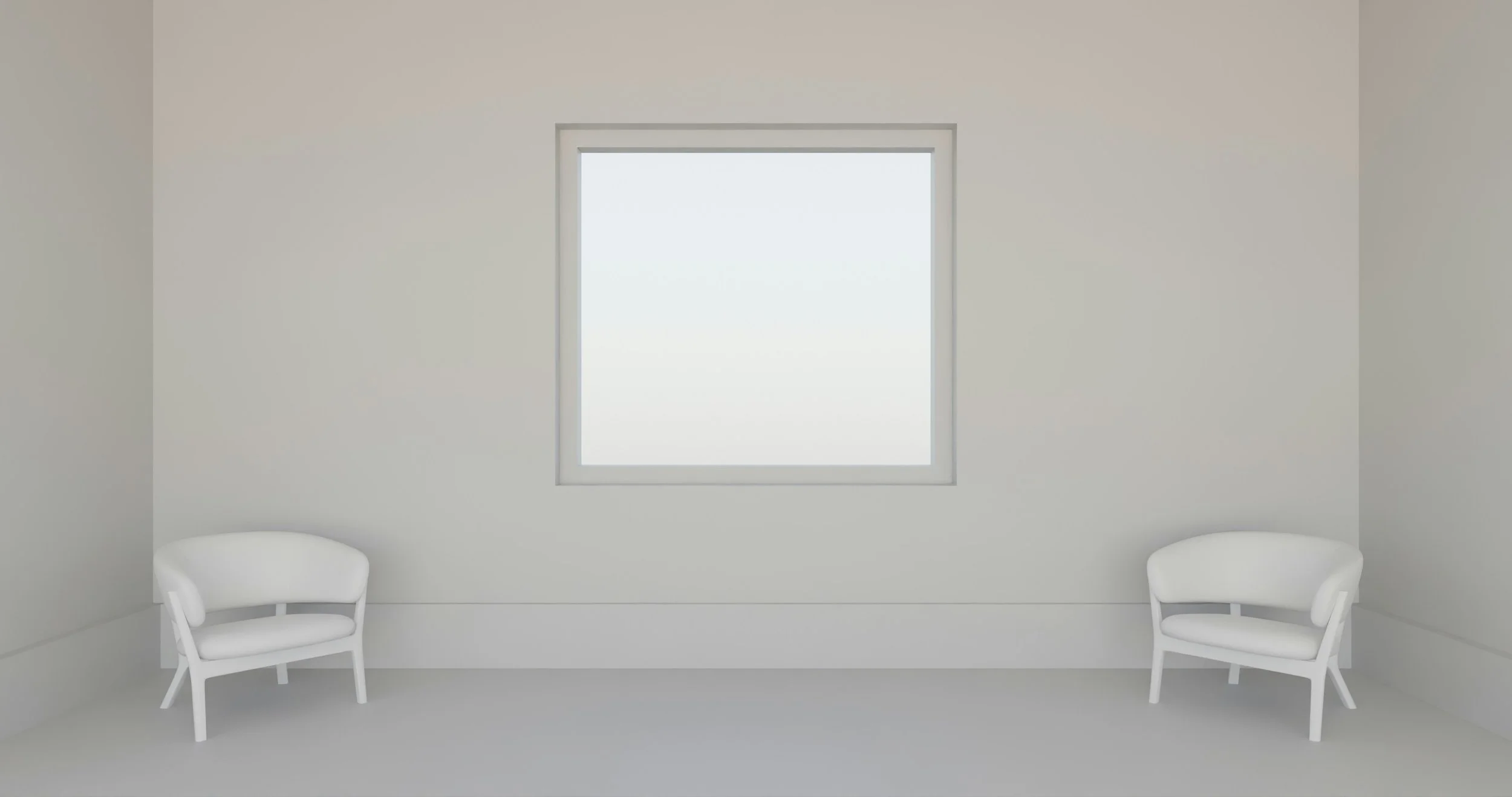
A bare, open space is free of clutter, but it may be too minimal. (Photo by Salvus, Unsplash)
What is minimalism?
Minimalism is living with less stuff.
Instead of buying more, collecting more, and storing more, we can choose to consume less.
Minimalism means being more intentional about what you value and what you decide to keep in your home. This can apply to everything from clothing to books, or kitchen tools to office supplies.
Owning fewer things can help simplify your life. For example, if you owned 50 t-shirts, it’s more difficult to choose which t-shirt to wear than if you owned just 5 or 10 t-shirts.
Cleaning a home and keeping everything tidy is easier when you don’t have dozens of kitchen items piled on counters or boxes of excess belongings lining every wall.
It’s about valuing quality over quantity (and really that principle applies to other areas of life, not just your stuff).
Ultimately, the goal of minimalism is to gain more freedom over your space, time, and well-being. One way to accomplish this is by owning fewer things.
What minimalism is not
There aren’t specific rules around minimalism, and it doesn’t mean you’re only allowed to own 100 or 200 things. There isn’t a set number of items you may own.
It’s not a competition to see who can own the least or give away the most.
It doesn’t mean that you should never care about what you own.
Minimalism isn’t about being cheap or never spending money.
It also isn’t about making everything perfect.
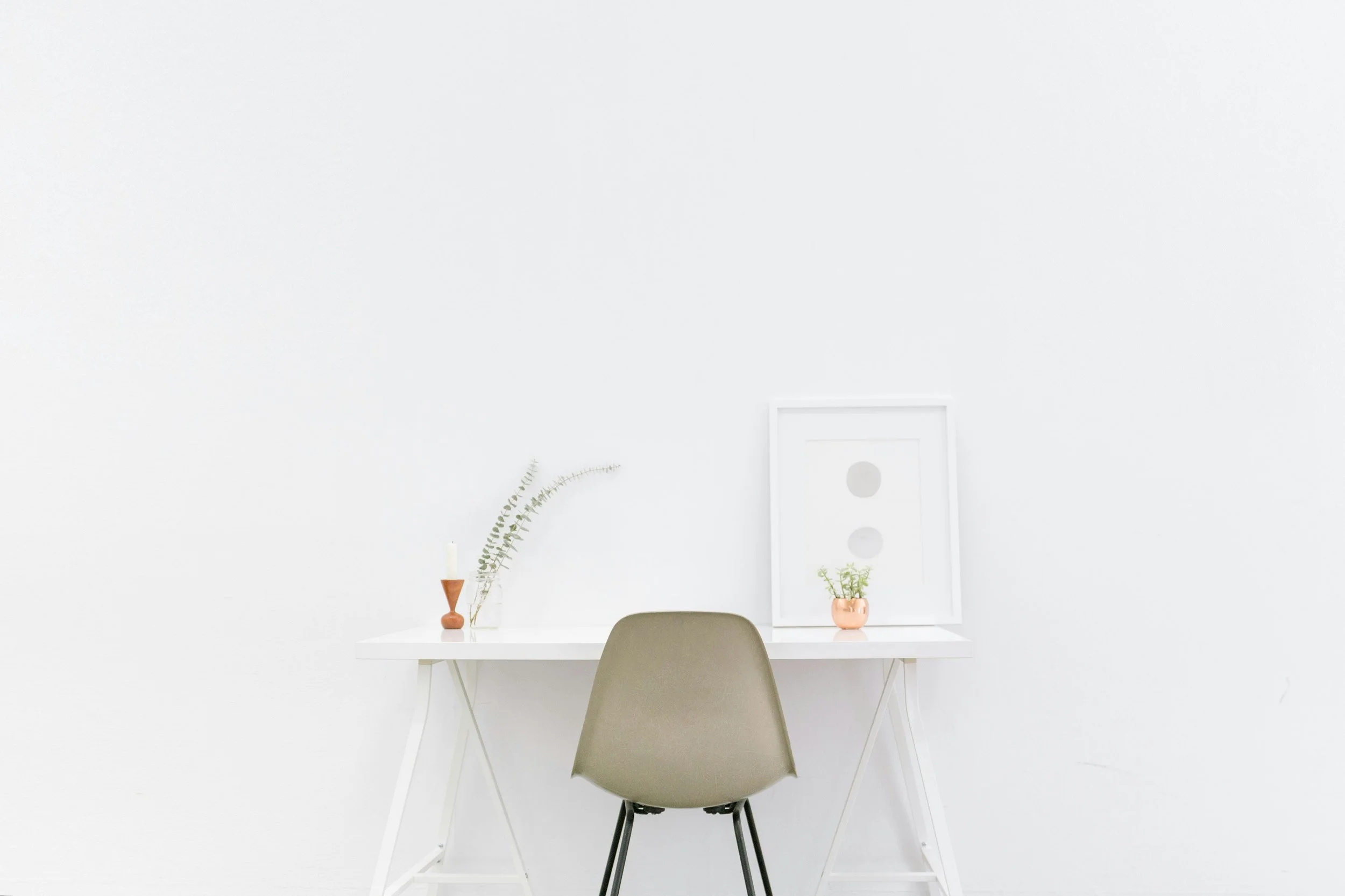
Minimalism doesn’t mean doing away with most of your belongings. (Photo by Bench Accounting, Unsplash)
How do you know when minimalism goes too far?
Sometimes it can be easy to spot when someone has taken minimalist ideas too far in their home.
If there is absolutely no color, no decor, or nothing unique in a home, minimalism may have been taken to the extreme.
Some people genuinely prefer a space with very little in it, almost like a monastery, and that can be a valid choice.
But that usually isn’t the case for most people.
If a home feels cold and seems to have no personality, it may be too minimalist.
In your own home, going too minimal can leave your space feeling sad, lonely, adrift, or sort of flat, emotionally.
Signs your home may be too minimalist.
Your space looks clean but doesn’t feel comforting.
You’ve removed so much that you end up repurchasing things you use often.
You avoid displaying sentimental items, art, books, or family photos because they feel like clutter.
It’s difficult to really relax in your home.
You keep decluttering even after your home is functional.
You feel guilty for keeping things you genuinely love.
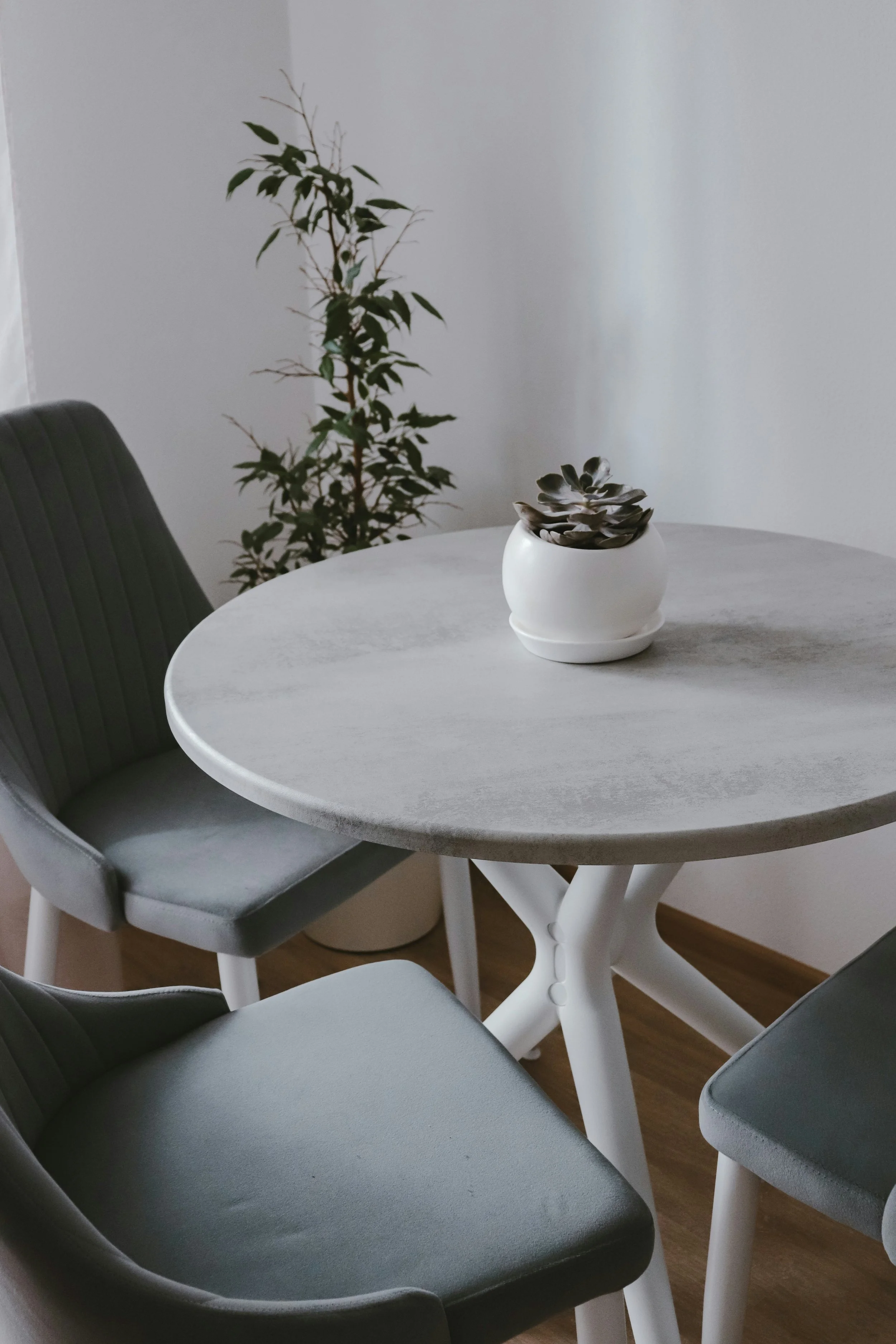
Any part of a home that feels dull, without character may be too minimal. (Photo by Pure Julia, Unsplash)
How does extreme minimalism happen?
Like any idea or practice, it can be easy to take minimalism too far.
Decluttering can make you feel happy at first. You’ll enjoy more space and less stress. But if you chase that feeling over and over, by getting rid of too many of your belongings, you could end up feeling empty.
For some people, giving away belongings can become an obsession. Or cleaning can become an obsession. It’s much easier to clean a home that has fewer things in it.
That’s often when minimalism can change into something else and leave you feeling like your home is just an empty vessel.
How can you avoid taking minimalism too far?
It helps to remember that decluttering and being minimalist don’t require that you give away all your possessions.
Here are some things to keep in mind as you declutter:
Keep what you love.
It’s okay to set something aside and take time to think about whether you want to give it away.
You may want to keep items that are truly irreplaceable, like personal keepsakes.
Display what makes you smile. You don’t have to hide away the things you enjoy seeing.
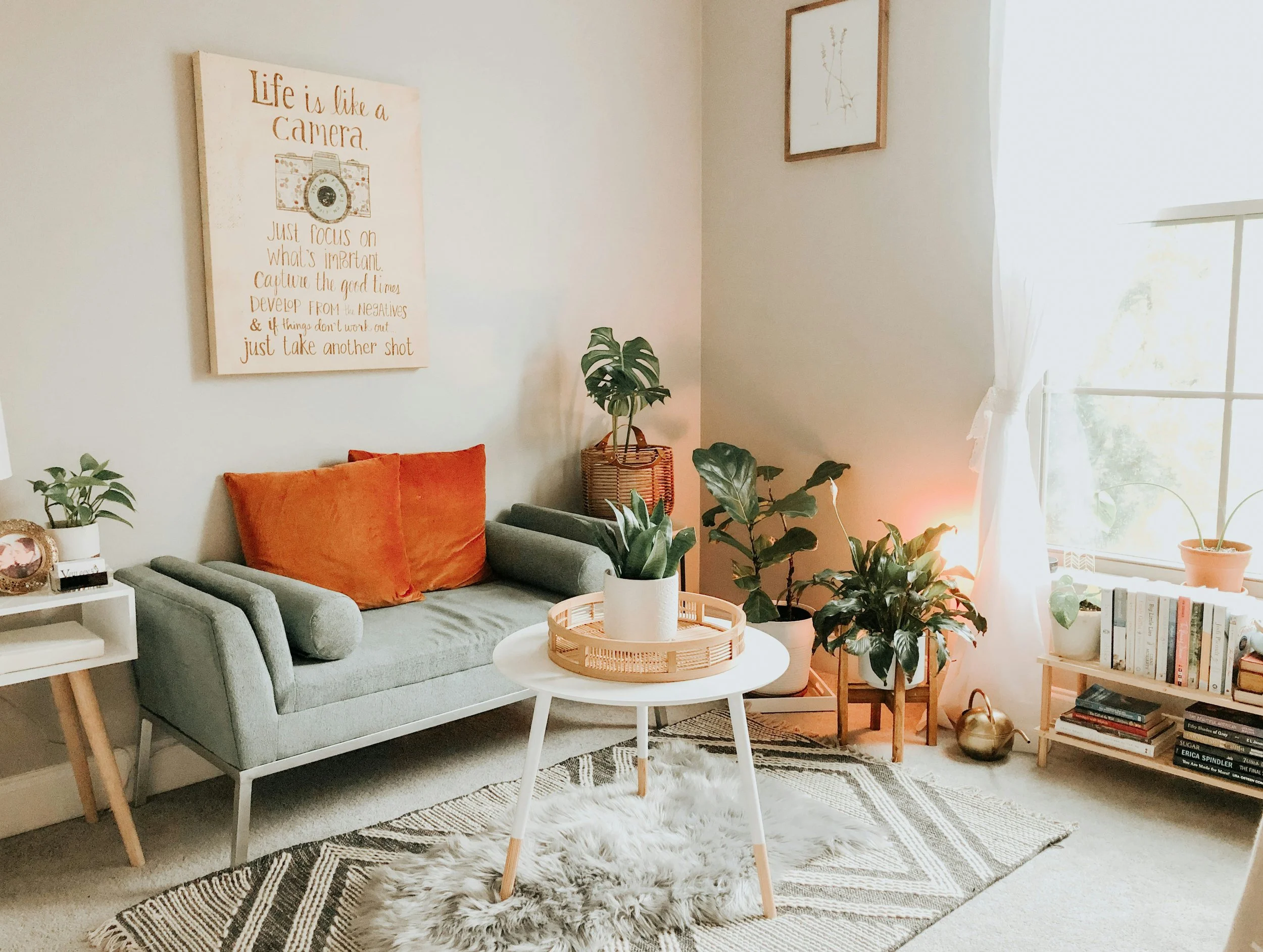
A space can be minimal and still feel warm and cozy with some personality. (Photo by Yehleen Gaffney, Unsplash)
How to keep your home both warm and minimalist
A home can be simple without feeling empty.
Minimalism should support your life and how you actually live. You don’t need to get rid of every decorative item, every book, every framed photo, or every extra blanket just because they’re not strictly necessary.
It’s possible to have a home that is minimalist but still feels warm. It may have fewer items, but the things that remain should matter to you and others in your home. Maybe that means keeping the art that makes you happy, the serving bowl your grandmother gave you, the books you love to reread, or the basket of dog toys your dog has half destroyed. All of these things are proof that you actually live in your home.
The goal is not to erase signs of life. The goal of any decluttering project is just to remove what makes your home feel heavy, crowded, or difficult to maintain.
Before you get rid of something, ask yourself:
Do I use this?
Do I love this?
Does this support my life?
Would I miss this if it were gone?
Am I keeping this out of a sense of guilt, fear, or obligation?
Am I getting rid of this only because I think I “should” get rid of it?
Minimalism should help you feel some breathing room in your home. It should free you from the weight of too much stuff. If your space feels calm, supports your life, and is a reflection of your personality, you’ve found a good spot in your home organizing or decluttering project.
Need help decluttering without making your home feel empty?
Minimalism can be a great guiding principle when you declutter, but the goal isn’t to leave your home empty. The goal is to create a home that feels lighter, calmer, and still completely your own.
If you’d like help sorting through what you truly don’t need while making thoughtful decisions about what to keep, let me know. This is exactly what I love to do. I’m right there with you through the whole process.
At Designing With Less, we also specialize in putting a bow on each decluttering project. We don’t just help you clear things out. We help you design your space around what you decide to keep, the belongings that reflect you, your personality, and your life.
If that sounds like what you need, reach out. I’d be happy to help.
Xoxo,
Michelle